

By Birth & Baby University · Last updated: October 2026 · 7 min read
People often describe birth and postpartum doulas as “the same job at different times.” The two roles do share a philosophy: non-medical, family-centered support, offered within clear boundaries. But the work itself, the training that prepares for it, and the schedule of a working week are quite different. Understanding those differences helps you choose a first credential, plan a career, and explain the roles accurately to families and clinicians.
Key takeaways
Quick answer: a birth doula supports a family through pregnancy, labor, birth and the first hours afterward, with on-call availability and continuous presence at the birth. A postpartum doula supports a family at home in the weeks after birth, usually on a scheduled basis, with a focus on recovery, feeding, sleep, newborn care and family adjustment.
- Certification requirements differ: for example, DONA International asks for a workshop of at least 16 hours and three attended births for birth certification, and a workshop of 27 or more hours and three families served in 12 weeks postpartum for postpartum certification.
- Both roles are non-medical. Both DONA standards state that doulas do not perform clinical tasks and will not diagnose or treat.
- The best-known research is on continuous labor support. Evidence specific to postpartum doula care is thinner.
- Some payers, such as Illinois Medicaid, describe doula services across the prenatal, birth and postpartum periods. A doula trained in both may have more options, though a single focus is also a legitimate career.
Role and rhythm of the work
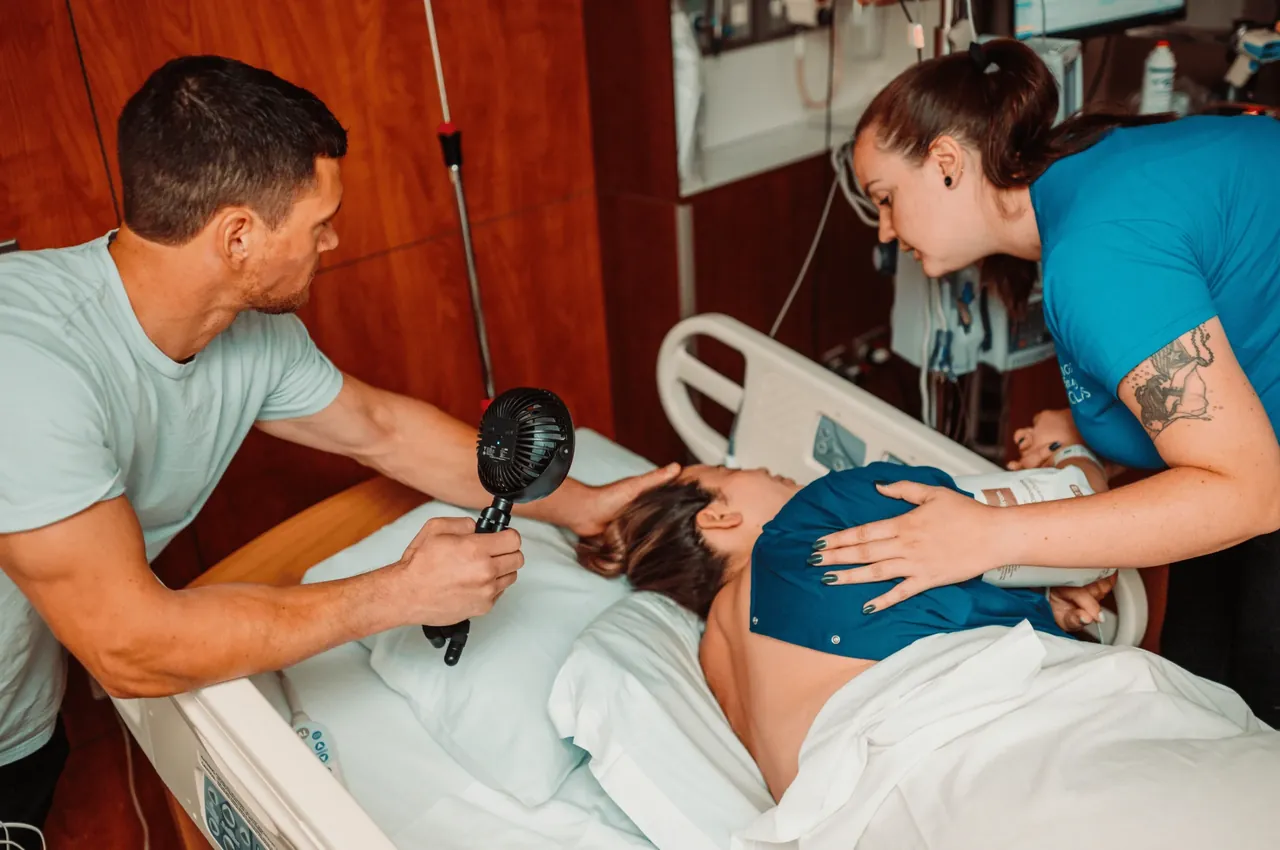
Birth doula. DONA’s Birth Doula Standards of Practice describe emotional, physical and informational support and advocacy during pregnancy, labor, delivery and the immediate postpartum period. Practically, that means prenatal conversations about preferences and information, then being on call for a window of weeks, then being continuously present during labor and birth, which can run from a few hours to well over a day. Backup arrangements matter because the work cannot be rescheduled. DONA’s standards ask doulas to make back-up arrangements whenever possible.
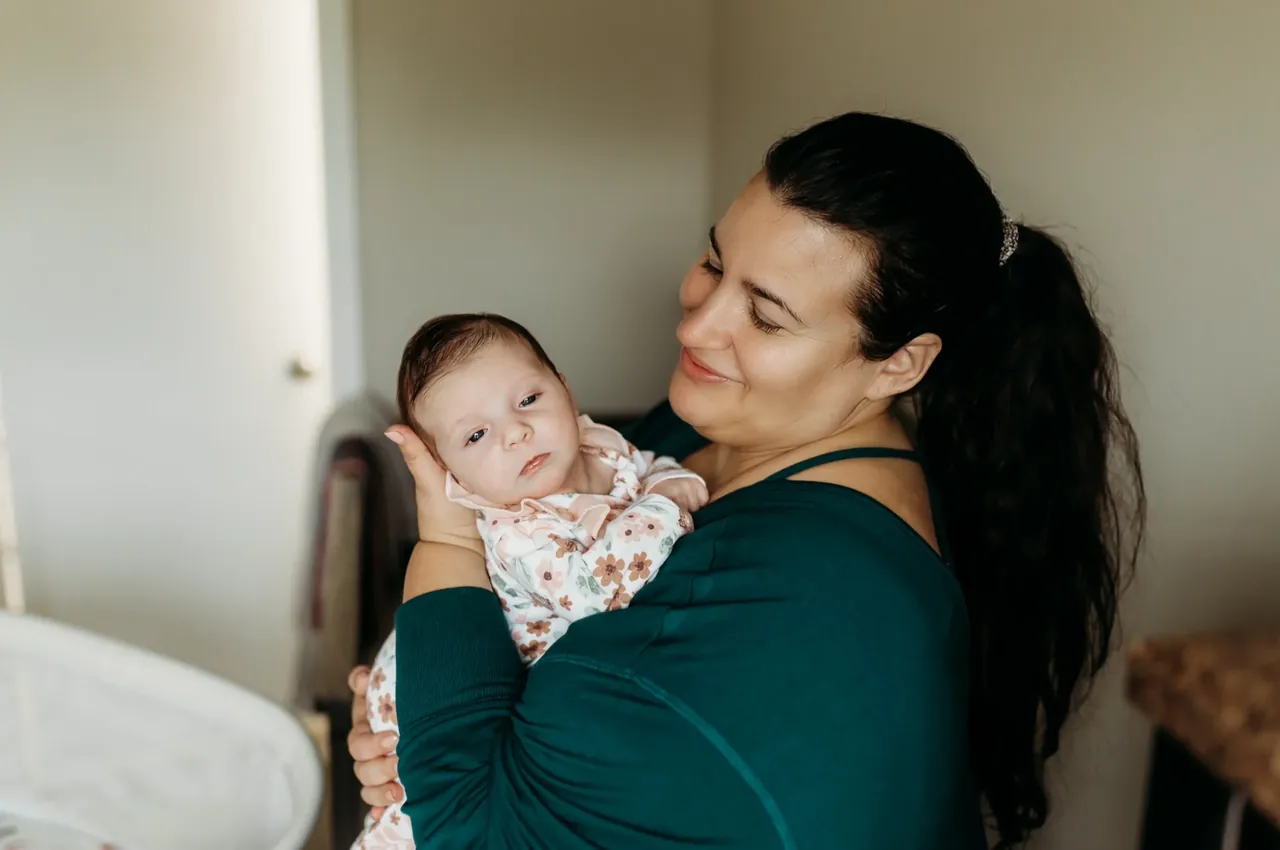
Postpartum doula. DONA’s Postpartum Doula Standards of Practice describe non-medical support for the postpartum transition, primarily in the client’s home, including support for physical recovery, emotional transition, sleep, nutrition, household organization and family adjustment, and help with newborn care, feeding, sleep and sibling adjustment. The work is typically scheduled in shifts or visits. It tends to be more predictable in time but can involve overnights depending on how a doula structures their services.
Training and certification compared
The figures below come from each organization’s own pages, read in October 2026. They change, so verify before enrolling.
- DONA, birth: a workshop of 16 to 24 hours, lactation support education and childbirth education requirements, three births with at least 15 hours of continuous in-person labor support in total, evaluations, required reading and signed scope and ethics agreements (DONA birth certification).
- DONA, postpartum: a workshop of 27 or more hours, plus a self-paced equity webinar, and support for at least three families within 12 weeks after birth, with at least 12 hours and three visits per family (DONA postpartum certification).
- CAPPA, labor: an 18-hour training, three births, three parent evaluations and six provider evaluations, exams, and a scope of practice pretest (CAPPA labor doula).
- CAPPA, postpartum: an 18-hour training, three families within the first four months postpartum with in-person or virtual support, infant and child CPR with in-person practice, two letters of recommendation and exams (CAPPA postpartum doula).
Two patterns stand out. First, the postpartum DONA path asks for a longer workshop, which may reflect a broader topic range (recovery, feeding, sleep, family dynamics) than the birth workshop. Second, the experience requirement is structured differently. A birth credential is built on attending births, where you are available at unpredictable hours. A postpartum credential is built on scheduled visits over weeks, where the challenge is finding families and keeping records.
Scope: where the roles overlap and where they do not
Both DONA standards use the same boundary language: the support is non-medical, doulas do not perform clinical or medical tasks, and they will not diagnose or treat in any modality. Both ask doulas to refer for needs beyond their training and to say clearly when they offer an additional modality they are separately qualified in.
The Illinois Medicaid-Certified Doula Program’s guide (posted December 2024) gives a useful, concrete example of how a payer frames doula scope across the whole perinatal period. It lists skills across prenatal support, labor and delivery, postpartum support and newborn care, and states that a doula does not perform medical procedures or tasks such as listening to fetal heart tones, examining the cervix or taking blood pressure, does not make medical diagnoses or give medical advice, and avoids attending births, including planned home births, without a healthcare provider present. If you work in a state with a Medicaid benefit, expect your scope to be described in writing.
What the research says about each role
Birth. The Cochrane review of continuous labor support (Bohren and colleagues, 2017; 27 trials, with 26 contributing data on 15,858 women) found continuous support was associated with more spontaneous vaginal births, fewer cesarean births and fewer negative feelings about the birth experience, without evidence of harm. Review authors flagged limitations, including the fact that no study blinded participants or care staff.
Postpartum. A 2026 systematic review in JAMA Network Open (Groves and colleagues, 2026) found that evidence on doula care was most consistent for anxiety, postpartum follow-up and breastfeeding initiation, but that few studies addressed the postpartum period specifically. A 2026 meta-analysis in Obstetrics & Gynecology (Viswanathan and colleagues, 2026) found moderate-certainty evidence that doula support is associated with greater postpartum visit attendance, but 19 of 30 included studies were at high risk of bias.
It is fair to say that the birth-support evidence base is larger and older, and that the postpartum evidence is promising but less developed. Neither should be oversold, and neither shows that one role is “better.”
Choosing: questions that help
- How do you handle unpredictability? Birth work means being reachable and ready for weeks and attending at any hour. If that conflicts with caregiving or a job, postpartum scheduling may fit better.
- What kind of work energizes you? Some people are drawn to the intensity of labor. Others prefer the slower, practical work of helping a household settle.
- What do local families and agencies want? In some communities postpartum doulas are in short supply, and in others birth doulas are. Talk to doulas who work where you want to work.
- What does your payer or agency require? Medicaid benefits and agency contracts can require specific training lists or both kinds of knowledge.
- Do you want both? Many doulas train in both. That gives families continuity from pregnancy to the first weeks at home and diversifies income, at the cost of more training and different business systems.
When this guidance may not apply
This comparison describes U.S. certifying organizations and settings. Titles and requirements differ across countries and between organizations. The research literature also describes doula models beyond these two, including support in abortion, bereavement and fertility contexts (Groves and colleagues, 2026), which are outside the scope of this comparison.
The bottom line
Birth and postpartum doulas share a boundary and a philosophy, and differ in rhythm, training and the kind of presence they offer. The decision is usually less about which is better and more about which fits your life, your community and the payers or agencies you hope to work with.
Birth & Baby University’s For Doulas page shows how its birth doula training and postpartum doula training sit alongside recertification and mentorship for doulas who are already working. Confirm that any program meets your certifier’s, employer’s or state’s requirements before you enroll.
This article is for professional education. It is not medical, legal or tax advice. Check the standards of your certifying organization and the rules where you work.
Sources and further reading
- DONA International. Birth Doula: Standards of Practice, and Postpartum Doula: Standards of Practice (both revised September 2025). Birth · Postpartum
- DONA International. Birth Doula Certification and Postpartum Doula Certification (read October 2026). Birth · Postpartum
- CAPPA. Labor Doula (CLD) and Postpartum Doula (CPD) certification pages (read October 2026). CLD · CPD
- SIU School of Medicine. Illinois Medicaid-Certified Doula Guide (posted December 2024). Read the source
- Bohren MA, et al. Continuous support for women during childbirth. Cochrane Database of Systematic Reviews (2017). Read the source
- Groves P, et al. Doula care and health outcomes: a systematic review. JAMA Network Open (2026). Read the source
- Viswanathan M, et al. Doula support during pregnancy, childbirth, and postpartum: a systematic review and meta-analysis. Obstetrics & Gynecology (2026). Read the source
More for professionals: the Professionals Blog.

Leave a Reply