By Birth & Baby University · Last updated: October 2026 · 4 min read
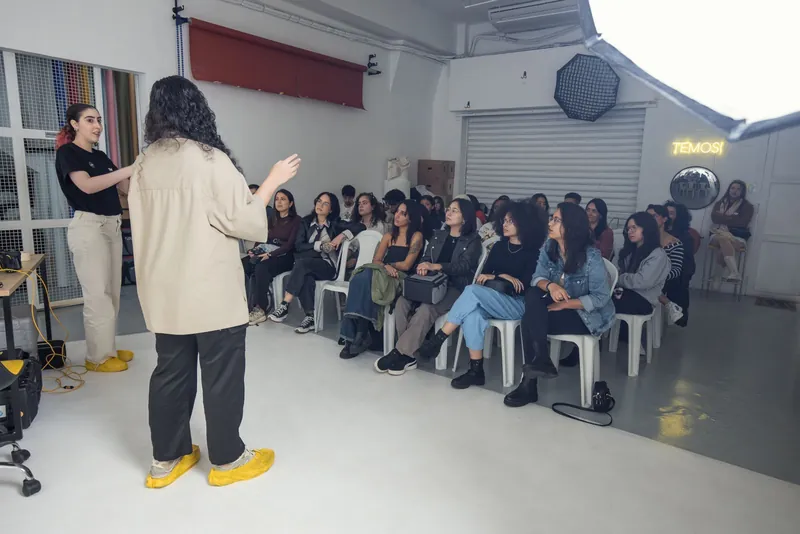
Childbirth educators teach groups or individuals how labor, birth and early parenthood work and how to prepare. Many doulas add the role, and some educators become doulas. The two jobs overlap in subject matter but differ in format: an educator teaches classes, while a doula supports a particular family through the process. This article describes the published certification routes, what research says about antenatal education, and where the evidence is mixed.
Key takeaways
- Lamaze International describes two routes to its LCCE credential: an annual exam or a competency-based pathway with observation of a class series, a curriculum, a teaching demonstration and participant evaluations.
- CAPPA’s childbirth educator page describes an 18-hour training, requirements such as a scope-of-practice pretest, student teaching or a recorded lesson, observation of two births and exams. The page gives both 1-year and 2-year completion deadlines, so verify with CAPPA.
- Meta-analyses suggest antenatal education may increase childbirth self-efficacy and some vaginal birth outcomes, but results on epidural use and other outcomes are inconsistent, and heterogeneity is substantial.
- Educator and doula roles are different services. If you hold both, state clearly which you are providing.

What the research and guidance say
Certification routes
Lamaze International’s LCCE certification page describes two pathways to the same credential. Both require completing the Learning Guide and a Lamaze seminar before applying. The exam-based route is offered once a year. The competency-based route requires observing a full Lamaze class series, creating a multi-session curriculum aligned with Lamaze competencies, a teaching demonstration (a recorded 30-minute lesson or a live observation by an LCCE), evaluations from three participants in a practice class and a verbal assessment. Both require recertification every three years. Fees and dates change and are not stated here.
CAPPA’s childbirth educator page describes an 18-hour training and lists the duration in another place as two days (24 hours), so the training length itself is inconsistent on the page. Requirements include CAPPA membership, selected reading, passing a scope-of-practice pretest with a 100% grade, student teaching or a video of one 30-minute or two 15-minute lessons with an outline and curriculum, observing two labors or births totaling at least 10 hours, creating a local resource list, and passing a multiple-choice exam (85% or higher) and an essay exam. The summary says to complete requirements within one year of training, while the requirements list says two years. Confirm the current rule before enrolling.
What antenatal education shows
A 2025 systematic review and meta-analysis of 17 randomized trials (7,260 participants) found antenatal education was associated with fewer planned cesareans (RR 0.87, 95% CI 0.83 to 0.92) and more vaginal births (RR 1.14, 95% CI 1.07 to 1.21), but not with fewer unplanned cesareans (RR 0.99) and not significantly with epidural use. General education and birth plan interventions appeared more effective than specific technique teaching, with substantial heterogeneity for several outcomes. A 2025 meta-analysis of 31 trials reported increased childbirth self-efficacy (SMD 2.00, 95% CI 1.06 to 2.95), decreased fear of childbirth (SMD -1.26, 95% CI -1.79 to -0.74) and higher vaginal birth (RR 1.10), but cautioned about high heterogeneity and potential bias.
An earlier 2021 review of 23 studies found lower cesarean birth (RR 0.90, 95% CI 0.82 to 0.99) and lower epidural use (RR 0.84, 95% CI 0.74 to 0.96) with antenatal education, which differs from the 2025 trial-only analysis on epidural use. That review included observational studies as well as trials and concluded that education should be standardized to clarify its effects. The mixed picture suggests that class content, delivery and population matter.

What this means for doulas
- Classes and doula support are different services. Tell families what each includes and avoid implying that a class replaces continuous support.
- Keep claims modest. Say that studies associate antenatal education with better self-efficacy and some birth outcomes, with variation across studies.
- Teach within scope. The educator role also stops short of medical advice, and CAPPA’s own certification includes a scope-of-practice pretest.
- Choose a credential for the work. Educator credentials differ in required practice, observation and exams.
Putting the evidence into practice
- Observe classes by experienced educators before you decide. Both Lamaze’s competency pathway and CAPPA require observation or student teaching.
- Build a curriculum around what the evidence supports, such as understanding labor, comfort options, communication and decision making, and cite sources in your handouts.
- Collect participant feedback after every series, since evaluations are part of the Lamaze pathway.
- Draft separate agreements and descriptions for your class and doula services, and check that your wording matches your credentials.
- Re-read your certifier’s requirements before each step. The deadlines and hours on some pages have changed over time.
The bottom line
Becoming a childbirth educator means learning to teach as well as to know the content, and the certifiers publish different routes to that. Research suggests antenatal education has benefits for self-efficacy and some birth outcomes, with inconsistent findings elsewhere, so present your classes as helpful preparation rather than a guarantee.
Related reading: How to Become a Certified Birth Doula: Education, Skills, and Career Preparation; Becoming a Lactation Educator: Training Pathways and Scope of Practice; Building Trust Through Educational Content: Why Evidence-Based Marketing Matters.
This article is for professional education. It is not medical, legal, financial or tax advice. Check the standards of your certifying organization and the rules where you work.
Sources and further reading
- Lamaze International. How to Become a Lamaze Certified Childbirth Educator (LCCE) (page read October 2026). Read the source
- CAPPA. Childbirth Educator Certification (CCCE) (page read October 2026). Read the source
- Hooper E, et al. The effectiveness of antenatal education on improving labour and birth outcomes: a systematic review and meta-analysis. Women and Birth 2025. Read the source
- Zaman A, et al. The role of antenatal education on maternal self-efficacy, fear of childbirth, and birth outcomes: a systematic review and meta-analysis. European Journal of Midwifery 2025. Read the source
- Hong K, et al. Perspectives on antenatal education associated with pregnancy outcomes: systematic review and meta-analysis. Women and Birth 2021. Read the source
Many doulas add childbirth education to their work. Birth & Baby University’s training, mentorship and agency-building resources are described on the For Doulas page. Compare any educator program against the certifier you plan to use and keep your doula and educator services clearly separate.
More for professionals: the Professionals Blog.


Leave a Reply