
By Birth & Baby University · Last updated: October 2026 · 3 min read
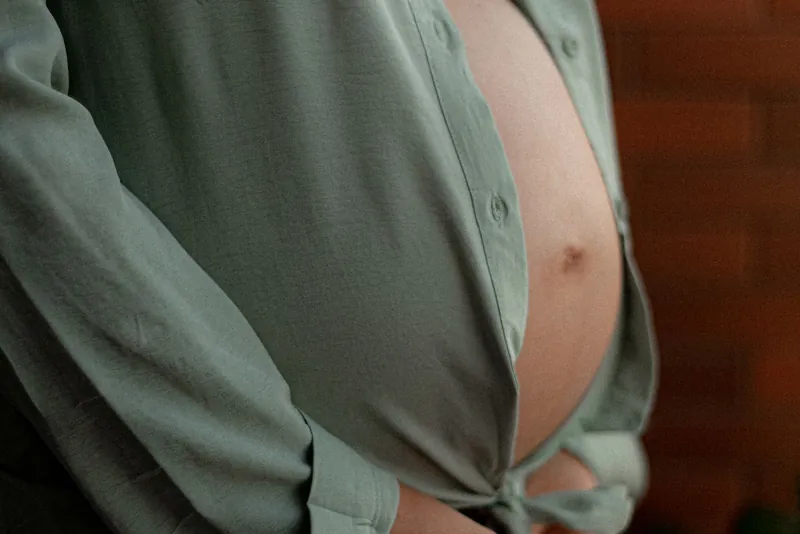
Diastasis recti abdominis (DRA), a widening of the gap between the two rectus abdominis muscles, is widely discussed online and often framed as something to be fixed urgently with a specific program. The research is more modest. This article reviews what is known about assessment and recovery and how doulas can talk about it responsibly.
Key takeaways
- A 2021 meta-analysis of seven trials found very low-quality evidence for any specific exercise program in treating postpartum DRA.
- A 2023 randomized trial of curl-up exercises found they did not worsen inter-recti distance or pelvic floor and back symptoms, and improved abdominal strength.
- A 2025 meta-analysis found low-certainty evidence that abdominal training reduced inter-rectus distance.
- In a small early postpartum study, gap width correlated with abdominal pain and body image but not with back or pelvic pain.

What the research says
Exercise as treatment
A 2021 systematic review with meta-analysis of seven randomized trials (381 women) of abdominal or pelvic floor training for postpartum DRA found very low-quality evidence that transversus abdominis training reduced inter-recti distance (mean difference -0.63 cm, 95% CI -1.25 to -0.01, two studies), very low evidence for curl-ups from single high-risk-of-bias trials and low to very low evidence that pelvic floor training was not more effective than minimal intervention. It concluded there is very low-quality evidence to recommend specific exercise programs. A 2025 review of postpartum exercise (65 studies) reported low-certainty evidence of a greater reduction in inter-rectus distance, at rest and during a head lift, with abdominal muscle training than with no exercise, and limited evidence on the risk of DRA itself.
Is crunch-type exercise harmful?
A 2023 randomized trial of 70 women with DRA at 6 to 12 months postpartum compared a 12-week home program of head lifts and curl-ups with no intervention. The program did not improve or worsen inter-recti distance (mean difference 1 mm, 95% CI -1 to 4), improved rectus abdominis thickness (0.7 mm) and strength, and did not change pelvic floor disorders or back, pelvic girdle or abdominal pain. This contradicts a common belief that curl-ups worsen the gap, in this population and program. It was supervised by researchers with a specific protocol and applies to women 6 to 12 months postpartum.
Does the gap size match symptoms?
A 2018 cross-sectional study of 32 women three weeks postpartum measured inter-rectus distance with ultrasound (median 2.97 cm) and found it correlated with worst abdominal pain and body image but not with low back pain, pelvic pain, disability or urogynecological symptoms. A 2026 cross-sectional survey of 177 women within two years of birth found 38 percent reported DRA, and presence was weakly associated with abdominal discomfort and early urinary urgency but not with low back pain, pelvic girdle pain or stress incontinence. DRA status was self-reported and the response rate was low (177 of 785), so both studies are preliminary.
What this means for doulas
- Do not diagnose or measure. Finger-width checks done informally are not a reliable assessment. Encourage clients who are concerned to see a pelvic health physical therapist or their provider.
- Do not promise closure. No program has been shown to reliably close the gap, and the gap may not equal function.
- Avoid fear-based claims. The evidence does not show that a wider gap predicts back pain or incontinence, or that ordinary movement damages it. Individuals vary, and symptoms matter more than measurement.
- Attend to the feeling. In the early postpartum study, gap width related to body image. Listening to how a person feels about their body is part of care.
Putting the evidence into practice
- If a client asks, share that the evidence for specific exercises is weak and that a clinician can assess function and individualize.
- Watch for coning or doming of the abdomen, pain, heaviness or leaking, and encourage referral when symptoms persist.
- Promote gradual return to activity as the provider advises, without prescribing programs.
- Be cautious about marketing claims for belly binders, programs or devices that promise closure.
The bottom line
Diastasis recti is common and its management is still evidence-poor. Doulas help by staying away from diagnosis, avoiding fear and directing worried clients to qualified pelvic health care.
This article is for professional education. It is not medical, legal or tax advice. Check the standards of your certifying organization and the rules where you work.
Sources and further reading
- Gluppe S, et al. What is the evidence for abdominal and pelvic floor muscle training to treat diastasis recti abdominis postpartum? A systematic review with meta-analysis. Brazilian Journal of Physical Therapy 2021. Read the source
- Beamish NF, et al. Impact of postpartum exercise on pelvic floor disorders and diastasis recti abdominis: a systematic review and meta-analysis. British Journal of Sports Medicine 2025. Read the source
- Gluppe SB, et al. Curl-up exercises improve abdominal muscle strength without worsening inter-recti distance in women with diastasis recti abdominis postpartum: a randomised controlled trial. Journal of Physiotherapy 2023. Read the source
- Keshwani N, et al. Relationship Between Interrectus Distance and Symptom Severity in Women With Diastasis Recti Abdominis in the Early Postpartum Period. Physical Therapy 2018. Read the source
- Simpson E, et al. Association Between Diastasis of the Rectus Abdominis Muscles and Musculoskeletal Conditions in the First 2 Years Postpartum: A Cross-Sectional Study. Musculoskeletal Care 2026. Read the source
Knowing when to suggest a pelvic health or physical therapy referral is part of postpartum doula preparation. See the training and mentorship options on the For Doulas page.
More for professionals: the Professionals Blog.


Leave a Reply