

By Birth & Baby University · Last updated: October 2026 · 3 min read
“Be an expert” is common advice, and for a non-clinical doula it needs careful handling. Visibility can mean being known to clinicians who might refer clients, to community organizations that need support for families, and to families who are searching. It should never mean claiming clinical authority. This article reviews what research says about why visibility matters, how referral decisions are made and how to become known for what you actually do.
Key takeaways
- ACOG’s August 2026 Committee Statement 31 says many health care workers and members of the public still do not recognize the benefits of doulas, and suggests hospitals hold recurring community meet-and-greets and share lists of trusted doulas.
- In a survey of 704 labor nurses, exposure to doulas at their primary hospital was associated with more positive views of doulas.
- A systematic review of seven studies of 1,575 referring providers found physicians weigh the specialist’s clinical expertise, patient interactions and their own relationships, communication, reputation and reciprocity, and rely on subjective assessments of quality.
- For doulas, “expert” claims must stay within scope: DONA requires any additional qualifications to be clearly indicated as additional services.
What the research and guidance say
Why being known matters
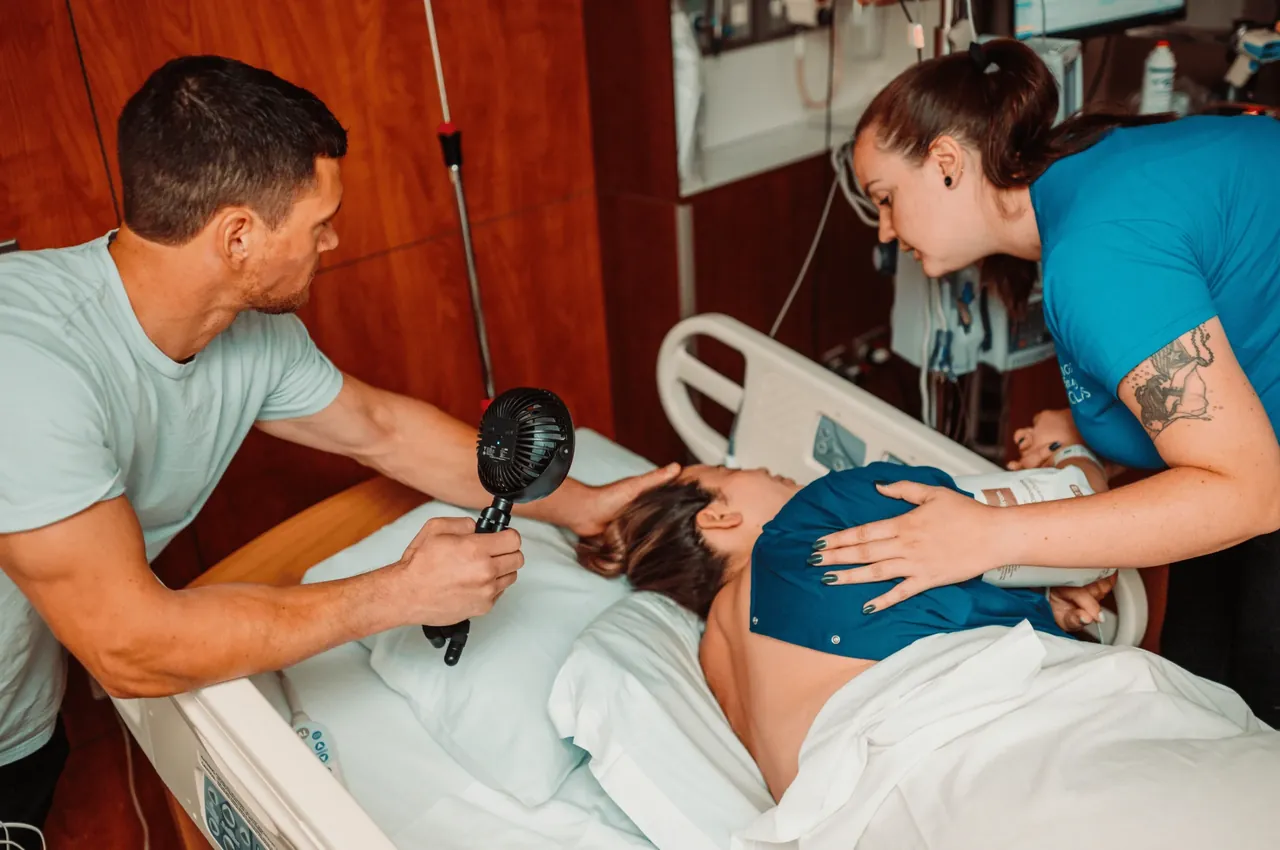
ACOG’s Committee Statement 31 says many health care workers and members of the public still do not recognize the benefits of doulas, cites a 2024 study of underuse by pregnant and postpartum people of color due to lack of knowledge of doulas’ roles, and notes that an evaluation in a Massachusetts community found most people were unaware of services or confused about what they provide. It recommends education for clinicians and patients, recurring community meet-and-greets and lists of trusted doulas. In a survey of 704 labor and delivery nurses and 1,470 doulas, exposure to doulas at nurses’ primary hospitals was associated with more positive views, and doulas who worked mainly in one hospital had more positive views of nurses. A survey of 508 women found 57.9% reported their provider would be supportive of doula care.
How referral decisions are made
A 2022 systematic review of seven studies reporting on 1,575 referring providers found they consider the specialist’s clinical expertise, patient-specialist interactions such as rapport, location and insurance, and interactions between referrer and specialist, including personal relationships, communication, reputation and reciprocity. Studies did not describe how providers assess skill, and referrers relied on subjective assessments. The review concerns physician referrals to specialists, not referrals to doulas, so it is an analogy.
What credibility depends on
Google’s helpful content guidance asks whether readers can see clear sourcing, evidence of expertise and background about the author. The DONA birth doula standards say that if a doula has qualifications in alternative or complementary modalities or in the medical field, the doula must clearly indicate that these are an additional service, and that DONA doulas do not perform clinical tasks and will not diagnose or treat. A doula’s expertise is therefore expertise in non-medical support, communication, resources and evidence literacy.

What this means for doulas
- Visibility is relationship-building. The research points to familiarity with clinicians and clear information for families.
- Define your expertise accurately. You can be known for birth support, postpartum care, community resources or teaching, not for clinical judgment.
- Show your sources. Cite guidelines and dates, and be honest about gaps.
- Offer something useful. Talks, resource lists and community events help people learn what you do.
Putting the evidence into practice
- Write a short bio with your training, certifier, years of practice and service area, and use it consistently on every profile.
- Introduce yourself to clinicians and staff in the units where you attend births, ideally through a tour or meet-and-greet, and share a one-page description of what you do and do not do.
- Offer a brief, well-sourced presentation to a parent group, a birth class or a staff meeting if invited.
- Join and take part in local doula or perinatal networks and attend their events.
- Track where recognition comes from by asking referrers and clients how they heard of you.
- Check that your titles never imply clinical credentials you do not hold.
The bottom line
Visibility matters because many clinicians and families do not know what doulas do, and familiarity is associated with better views of doulas. Build it through relationships, accurate claims and shared, sourced information, and stay within your scope.
Related reading: How Doulas Can Build Productive Relationships With Obstetricians and Midwives; Building Strong Referral Networks With Hospitals, Midwives, Pediatricians, and Other Perinatal Professionals; Building Trust Through Educational Content: Why Evidence-Based Marketing Matters.
This article is for professional education. It is not medical, legal, financial or tax advice. Check the standards of your certifying organization and the rules where you work.
Sources and further reading
- American College of Obstetricians and Gynecologists. Committee Statement No. 31: Partnering With Doulas in Clinical Settings. Obstetrics & Gynecology 148(2), August 2026. Read the source
- Roth LM, et al. North American Nurses’ and Doulas’ Views of Each Other. JOGNN 2016. Read the source
- Mitchell AW, et al. Access, Interest, and Barriers to Incorporation of Birth Doula Care in the United States. Journal of Perinatal Education 2023. Read the source
- Finn CB, et al. How Referring Providers Choose Specialists for Their Patients: a Systematic Review. Journal of General Internal Medicine 2022. Read the source
- Google Search Central. Creating helpful, reliable, people-first content (page read October 2026). Read the source
- DONA International. Birth Doula: Standards of Practice (revised September 2025). Read the source
Visibility is built on credibility, and credibility on accurate claims. Birth & Baby University’s For Doulas page describes training and mentorship for doulas building a practice. Describe your qualifications exactly as your certifier requires and do not present yourself as a clinical expert.
More for professionals: the Professionals Blog.


Leave a Reply