
By Birth & Baby University · Last updated: October 2026 · 4 min read
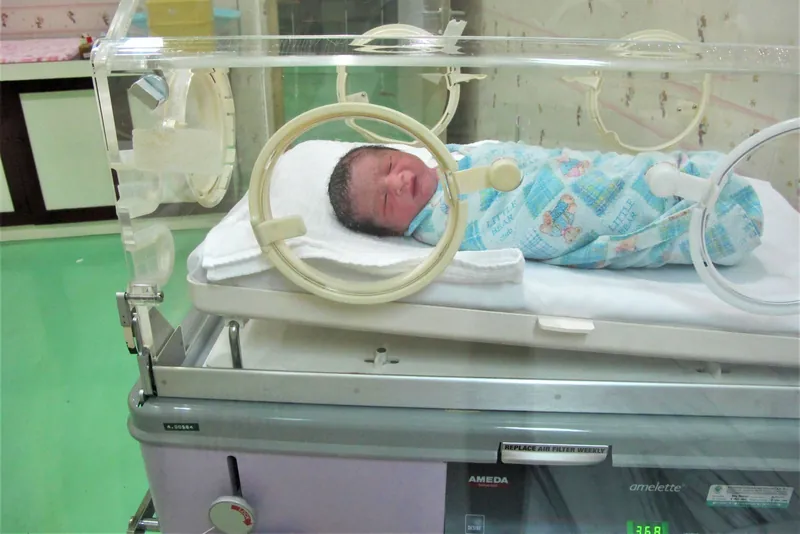
A NICU admission turns the postpartum period upside down. Parents recover from birth while living at the edge of an intensive care unit, often without the usual home routines, and then face a second adjustment when the baby comes home. This article summarizes what research says about their needs, where doulas appear in the evidence, and how a postpartum doula can support the family without crossing into the clinical team’s role.
Key takeaways
- A meta-analysis of 6,822 NICU parents found high pooled prevalence of anxiety, depression and stress, higher in mothers than fathers, with very high heterogeneity.
- A cluster randomized trial of Family Integrated Care across 26 NICUs found lower parent stress and anxiety at day 21 and greater infant weight gain, with no differences in mortality or major morbidity.
- A small pilot trial of embedding doulas and midwives in a NICU found postpartum parents received their first postpartum visit at a median of 11 days versus 31 days with usual care.
- Clinical care of the infant belongs to the NICU team, and a doula’s role is to support the parents, within unit rules.

What the research says
Parents’ distress
A 2024 systematic review and meta-analysis of parents of NICU infants (5,083 mothers and 1,788 fathers) estimated pooled prevalence of anxiety at 0.51 in mothers and 0.26 in fathers, depression at 0.31 and 0.12, and stress at 0.41 and 0.22. Heterogeneity was very high (above 85 percent), so these numbers show a wide range across studies and not a prediction for any family.
Involving parents in care
The Family Integrated Care trial randomized 26 tertiary NICUs in Canada, Australia and New Zealand, with infants born at 33 weeks or earlier, to a program in which parents committed to at least 6 hours a day, attended education sessions and actively cared for their infant. Weight gain at day 21 was greater with the program, and parents had lower stress and anxiety scores, while mortality, major morbidity, oxygen therapy and length of stay did not differ significantly. It required a major time commitment, which not every family can give. A 2023 meta-analysis of 30 studies of kangaroo mother care found high-certainty evidence that it reduced moderate-to-severe postpartum maternal depressive symptoms (RR 0.76, 95% CI 0.59 to 0.96) and low-certainty evidence of reduced maternal stress and anxiety, with limited evidence for fathers. Whether and when kangaroo care is used is a decision for the unit.
Doulas in the NICU
The PeliCaN pilot randomized trial in one Philadelphia NICU enrolled 37 postpartum parents of infants born before 34 weeks and provided doula support and midwifery clinical care in the NICU. The median time to the first postpartum visit was 11 days with the intervention and 31 days with usual care. A six-month secondary analysis found lower mean depression and post-traumatic stress scores in the intervention group, but differences were not statistically significant, and two intervention participants whose infants died disclosed acute suicidality to their doulas and were connected to emergency psychiatric care. The trial was small, from one site, and combined doulas with midwifery care, so the doula contribution cannot be separated.
After discharge
A scoping review of 26 articles on supporting families after NICU discharge found interventions including home visits, phone and video calls, text messages and apps, and suggested families may benefit from comprehensive follow-up combining face-to-face and remote support. The evidence is descriptive, with many different interventions.
What this means for doulas
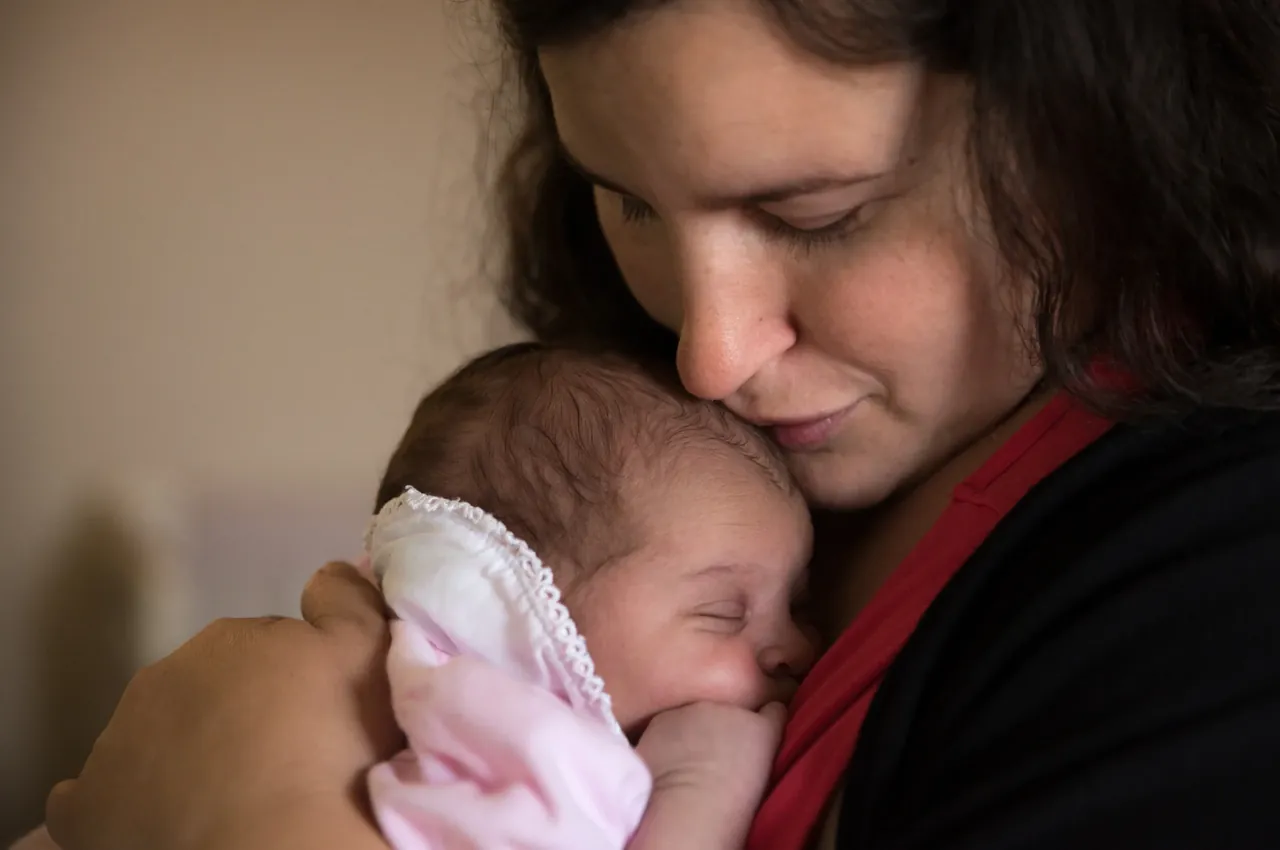
- Support the parents, not the infant’s treatment. Medical decisions and infant care instructions come from the NICU team.
- Follow unit rules. Visiting, infection-control and access policies differ by unit, and a doula may or may not be allowed in. Ask the parents and the unit.
- Watch the parents’ own recovery. They may skip their own care to stay at the bedside, as the PeliCaN rationale describes.
- Know the escalation path. Thoughts of self-harm or harm to the baby need urgent professional help.
Putting the evidence into practice
- Ask parents what they need from you: meals, rides, sleep protection, sibling care, a listener, help gathering questions for rounds.
- Help them keep a notebook of questions and answers from the NICU team so they can refer back.
- Gently ask whether they have attended their own postpartum check, and encourage them to ask the unit or their clinician how to arrange it.
- Learn who the unit’s social worker, lactation consultant and mental health contact are, and help parents reach them.
- When the baby is ready to come home, offer practical help with the first days and encourage questions about follow-up to the discharge team.
- Keep the numbers for urgent support to hand, and follow your certifier’s guidance if a parent expresses thoughts of self-harm.
The bottom line
Parents of NICU infants face significant distress and barriers to their own care. Evidence supports involving them in their baby’s care when units allow it and suggests doula-linked models can help parents reach postpartum care, though the trials are small. A postpartum doula can offer steady practical and emotional support, stay out of clinical decisions and know when to refer.
Related reading: How to Become a Certified Postpartum Doula: What You Need to Know; Bereavement Doula Training: Supporting Families Through Pregnancy and Infant Loss; Supporting Families After Pregnancy Loss, Stillbirth, or Neonatal Death: Trauma-Informed Approaches.
This article is for professional education. It is not medical, legal, financial or tax advice. Check the standards of your certifying organization and the rules where you work.
Sources and further reading
- Shetty AP, et al. Prevalence of anxiety, depression, and stress among parents of neonates admitted to neonatal intensive care unit: a systematic review and meta-analysis. Clinical and Experimental Pediatrics 2024. Read the source
- O’Brien K, et al. Effectiveness of Family Integrated Care in neonatal intensive care units on infant and parent outcomes: a multicentre, multinational, cluster-randomised controlled trial. Lancet Child & Adolescent Health 2018. Read the source
- Pathak BG, et al. Effects of kangaroo mother care on maternal and paternal health: systematic review and meta-analysis. Bulletin of the World Health Organization 2023. Read the source
- Burris HH, et al. Postpartum care in the neonatal intensive care unit, PeliCaN: a randomized controlled trial. American Journal of Obstetrics & Gynecology MFM 2025. Read the source
- Zafman KB, et al. Six-month mental health outcomes among participants in a postpartum care in the NICU (PeliCaN) trial: secondary analysis of a randomized controlled trial. Maternal Health, Neonatology and Perinatology 2026. Read the source
- Griffith T, et al. Scoping review of interventions to support families with preterm infants post-NICU discharge. Journal of Pediatric Nursing 2022. Read the source
If you are building postpartum skills for complex situations, Birth & Baby University’s online postpartum doula training and mentorship are described on the For Doulas page. Ask any program how it prepares you for NICU and bereavement situations and how it handles scope and referral.
More for professionals: the Professionals Blog.



Leave a Reply