
By Birth & Baby University · Last updated: October 2026 · 4 min read
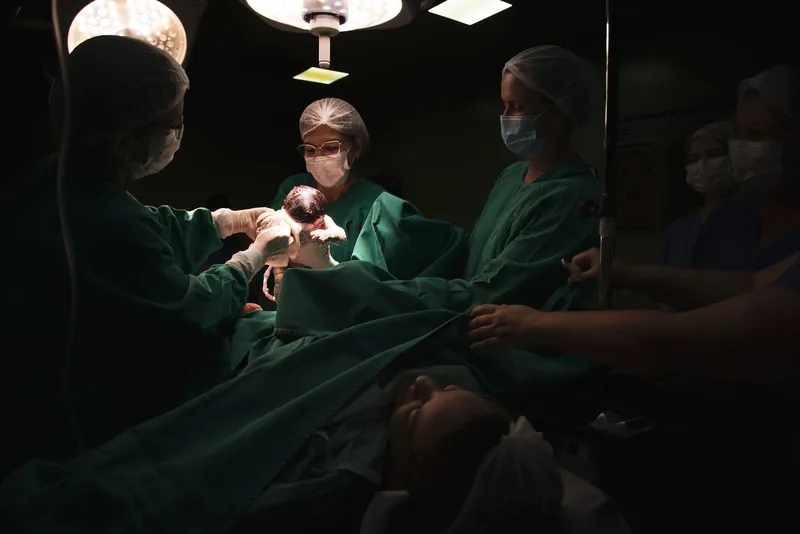
Cesarean birth is common, and families arrive at one by very different roads: a scheduled plan, a medical turn mid-labor, an emergency. The experience and emotional aftermath differ across those roads. This article covers what is known and where doulas can add support without stepping into clinical territory.
Key takeaways
- Unplanned or emergency cesarean is associated with more post-traumatic stress symptoms than planned cesarean or other birth modes in smaller studies, which in turn relate to postpartum depression symptoms.
- Enhanced recovery pathways were associated with shorter hospital stays and lower opioid use without higher readmission or complication rates.
- Skin-to-skin contact after cesarean was associated with faster first attachment and higher exclusive breastfeeding at discharge, though not at one month or later.
- ACOG says that for cesarean on maternal request, a plan for vaginal birth is safe and appropriate in the absence of indications, and that the timing and counseling should be individualized.
What the research says
Planned cesarean and maternal request
ACOG Committee Opinion 761 estimates about 2.5 percent of U.S. births are cesarean on maternal request, finds the available information does not support recommending either mode over the other, and advises exploring reasons for the request, individual risk factors and values. If a patient decides to proceed, it advises not performing it before 39 weeks absent other indications and informing the patient that risks of placenta previa, placenta accreta spectrum and hysterectomy increase with each subsequent cesarean. This is professional guidance on one subset of planned cesareans, not on those with medical indications.
Emotional aftermath of unplanned cesarean
A Canadian cohort of 354 mother-child dyads found no direct effect of emergency cesarean on postpartum depression symptoms at three months, but an indirect effect through post-traumatic stress symptoms, with emergency cesarean mothers scoring about half a point higher on a PTSD scale after adjustment. A German retrospective case-control study (126 analyzable questionnaires, a 22 percent response rate) found more traumatization and more requests for professional debriefing after emergency cesarean than after other birth modes. Both are small and observational, and the second has a low response rate, so they suggest a pattern, not its size.
Recovery pathways
The ERAS Society guideline for postoperative cesarean care recommends a pathway including early feeding, nausea prevention, multimodal analgesia, glucose control, thromboembolism prophylaxis, early mobilization, urinary catheter removal and discharge counseling. A 2024 meta-analysis of 16 studies (19,001 women, three randomized trials) found that implementing ERAS pathways was associated with about 14 fewer hours of hospital stay and lower opioid use, with similar readmission, infection and complication rates. The authors noted few randomized trials and heterogeneous protocols.
Bonding in the operating room
As noted in the 2025 meta-analysis of skin-to-skin after cesarean, early contact shortened time to first attachment by about 52 minutes and raised exclusive breastfeeding at discharge (RR 1.69, 95% CI 1.36 to 2.01) but not at one month or later. Programs sometimes called “gentle” or family-centered cesarean put these practices into routine use, such as one community hospital program that reported complication rates similar to or lower than traditional cesareans in 144 births. That report is a commentary describing one institution’s experience.
What this means for doulas
- Prepare every family for the possibility. Explain what a cesarean looks like, who may be in the room, what a support person’s role is and what options (such as lowered drapes or early skin-to-skin) the hospital offers.
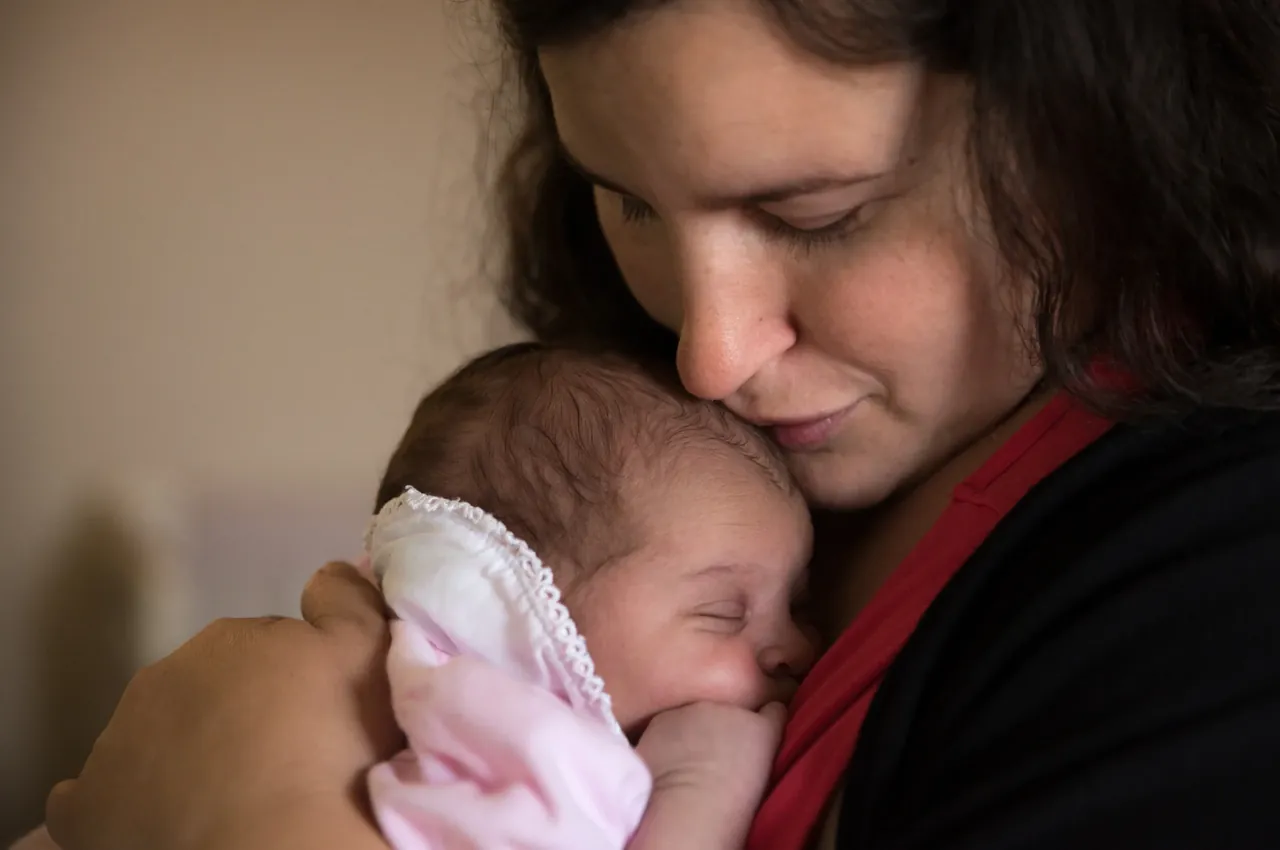
- Support the grief and the relief. After an unplanned cesarean, a person may feel both. Listen, avoid “at least the baby is healthy,” and invite them to tell their story.
- Watch for distress. Persistent intrusive memories, panic or low mood warrant a referral to a clinician or mental health professional. Doulas do not treat trauma.
- Support recovery within the care plan. Help with mobility, feeding, rest and asking for pain relief as the team directs, and report warning signs.
Putting the evidence into practice
- Include cesarean in every childbirth education conversation, framed as one possible route, with the questions families can ask in advance.
- Ask clients before birth what matters most if surgery happens (a support person present, early contact, music, a first-feeding plan) and share this with the team as a request.
- Offer a postpartum check-in a few days or weeks after an unplanned cesarean and ask how they are processing the birth.
- Provide referrals to postpartum mental health resources for anyone who is struggling.
The bottom line
Cesarean birth ranges from a planned, calm event to a frightening emergency, and families need preparation, respect for their feelings and recovery support. Doulas help most by getting families ready, staying steady in the moment and noticing when someone needs more care than a doula can give.
This article is for professional education. It is not medical, legal or tax advice. Check the standards of your certifying organization and the rules where you work.
Sources and further reading
- American College of Obstetricians and Gynecologists. Committee Opinion No. 761: Cesarean Delivery on Maternal Request. Obstetrics & Gynecology 2019. Read the source
- Grisbrook MA, et al. Associations among Caesarean Section Birth, Post-Traumatic Stress, and Postpartum Depression Symptoms. International Journal of Environmental Research and Public Health 2022. Read the source
- Huner B, et al. Post-traumatic stress syndromes following childbirth influenced by birth mode: is an emergency cesarean section worst? Archives of Gynecology and Obstetrics 2024. Read the source
- Macones GA, et al. Guidelines for postoperative care in cesarean delivery: Enhanced Recovery After Surgery (ERAS) Society recommendations (part 3). American Journal of Obstetrics and Gynecology 2019. Read the source
- Pinho B, et al. Impact of enhanced recovery after surgery (ERAS) guidelines implementation in cesarean delivery: a systematic review and meta-analysis. European Journal of Obstetrics, Gynecology and Reproductive Biology 2024. Read the source
- Martinez-Hortelano JA, et al. Skin-to-skin contact and breastfeeding after caesarean section: a systematic review and meta-analysis of intervention studies. International Journal of Nursing Studies 2025. Read the source
- Magee SR, et al. Promotion of family-centered birth with gentle cesarean delivery. Journal of the American Board of Family Medicine 2014. Read the source
Supporting families through surgical birth and recovery is part of both birth and postpartum doula work. See the training options on the For Doulas page.
More for professionals: the Professionals Blog.

Leave a Reply